 Kjopelovligforerkort
Driving LicensesRoad TestsPractical Guides
Driving Test Tips That Examiners Actually Notice
By Florian Ibarra / / 11 min read
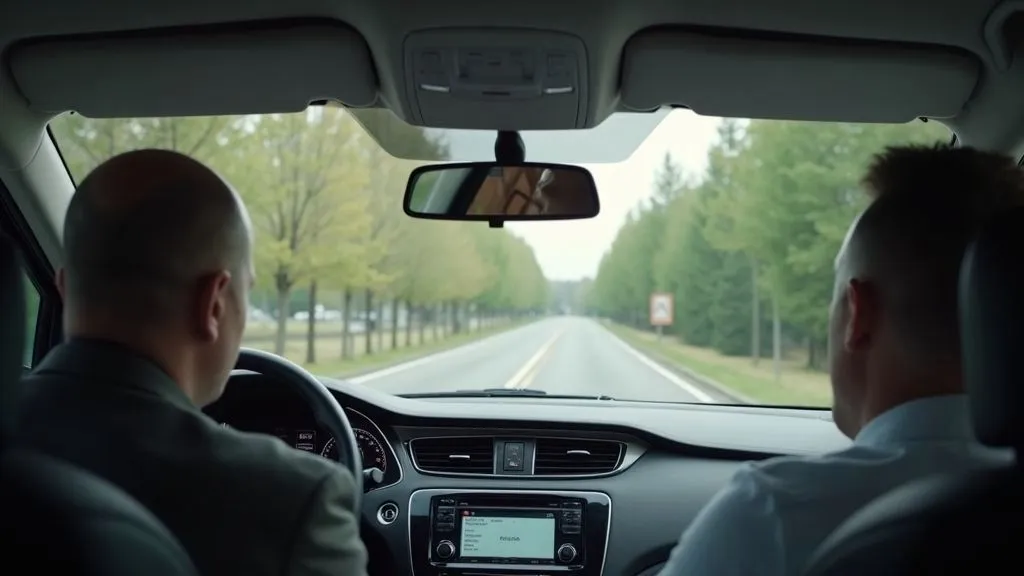
Most people fail not because they can’t steer, but because they burn time on scheduling, show up with an ineligible car, or rack up predictable errors the examiner is trained to spot. If you’re after driving test tips that actually move the needle, start with the logistics, then build a simple, repeatable drive routine that avoids automatic fails and demonstrates control without drama.
Book like a strategist, not a passenger
Slots open up when people cancel, when new examiners are rostered, and when a test center adjusts staffing after lunch breaks or staff meetings. You don’t need insider access—just a plan.
- Sweep for cancellations. Check for openings at off-peak times: early morning (before 8:30), mid-late morning (10:30–11:30), and early afternoon (13:30–15:00). People cancel when they remember work meetings, school pickups, or weather changes. Refresh several times a day for a week and you’ll usually catch a slot.
- Widen your radius. A quieter suburban or satellite test center can cut your wait by weeks and often has simpler traffic patterns. The extra drive on test day is worth it.
- Avoid school arrival/dismissal windows where applicable. Congestion and unpredictable pedestrian surges add variables you don’t need.
- Consider the weather trade. Light rain slows traffic and can calm a route; heavy rain increases risk and can trigger wiper/defogger checks you might mishandle. If you’re rock-solid with vehicle controls, light rain is fine. If not, pick a clear day.
- Rehearse at the same time of day. If you booked an 8 a.m. test, practice at 8 a.m. Your gap choices, sun angles, and traffic pace will feel familiar.
Show up with a car that passes the desk, not just the road
A depressing number of tests end before they start. Desk and pre-trip failures are common—and avoidable.
Do a 5‑minute eligibility check the evening before and again in the parking lot:
- Paperwork: permit/ID, test appointment confirmation, proof of insurance, registration, inspection (where required). Keep them in a clear sleeve.
- Tires: no cords showing, no bulges. Turn front wheels to see tread. Low tread or obvious damage can fail you.
- Lights: headlamps (both beams), tail lamps, brake lights, turn signals, hazard flashers, reverse lights. Ask a friend to watch while you cycle them.
- Glass and visibility: clean windshield inside/out, no large cracks in the sweep of the wipers. Test wipers and washer spray. Verify the rear defroster works.
- Dashboard alerts: no active check engine, airbag, ABS, or brake warnings. A lit brake warning can be an automatic disqualification.
- Safety controls: horn, parking brake, seat belts for all seating positions. If your car has a foot-operated parking brake, know how to apply and release it smoothly.
- Seating and mirrors: set them before the examiner enters. Adjust head restraint, test seat travel, tilt/telescopic wheel if available.
If you’re tempted to borrow a driving school car, do it for one clear reason: dual controls and guaranteed eligibility reduce surprise failures. The trade-off is unfamiliar controls and slightly different pedal feel. Book one practice session in that exact car model before the test.
What examiners actually score (and what auto-fails look like)
Scoring varies by jurisdiction, but the logic is consistent. Examiners divide your drive into categories: observation, compliance with signs and signals, vehicle control, and positioning. They’re looking for safe habits performed consistently, not creativity.
Typical automatic failures:
- Failure to yield where required (e.g., turning across oncoming traffic without a safe gap).
- Rolling through a stop sign or stopping over a crosswalk/stop line when you could have stopped before it.
- Exceeding the speed limit significantly or driving too fast for conditions.
- Ignoring a red light, right-on-red rules where prohibited, or school bus/pedestrian right-of-way.
- Causing another driver or pedestrian to alter speed or direction to avoid you.
- Mounting a curb at speed or losing control during low‑speed maneuvers.
Typical minor deductions that add up:
- Late or inadequate mirror checks.
- Forgetting to cancel a signal.
- Lane position drifting or touching lane lines.
- Hesitation that blocks traffic when a safe move was available.
- Gear selection errors (stalling a manual, coasting in neutral).
Know this frame and you know where to spend your attention.
Driving test tips examiners actually notice
A few visible habits reliably earn quiet ticks on the score sheet.
- A deliberate 360° pre-move check. Before the car moves at all: handbrake set, foot on brake, signal if pulling out of a bay, mirrors, over-shoulder glance into your blind spot, then release. You can say “all clear” softly if that helps your rhythm.
- Stops that look final. Come to a full, obvious stop. Count a one‑Mississippi at the line. If the view’s blocked, stop at the line, then creep to a second stop to see. Two distinct stops show you understand legal compliance and visibility management.
- Head checks that are real, not theatrical. A quick, clear over‑shoulder glance before each lane change or merge. Don’t fake huge head swings; just make them obvious enough to be seen.
- Mirror cadence. Check center mirror every 5–8 seconds in open driving, and before braking, before signaling, and after completing a turn. It takes less than a second and prevents rear‑end surprises.
- Pedal calm. Smooth launches without throttle stabs, creeping speeds in parking without constant brake pulses, and steady deceleration to stops. Control beats speed every time.
Build a reliable pre-drive ritual
A short routine keeps nerves from stealing your basics:
- Setup in the bay: seat, mirrors, belt, door locked, parking brake on, foot brake pressed.
- Engine start: brake held, start smoothly, dashboard scan for warnings.
- Climate/defog on if needed: set and leave it; don’t fumble later.
- Verify signals and wipers if weather requires.
- Announce to yourself: “Signal, mirrors, shoulder, release brake,” then execute.
This 20‑second ritual has saved more tests than any flashy maneuver ever could.
Low-speed maneuvers without drama
You’ll almost certainly face some of these. The goal is predictable control at walking pace.
- Straight‑line reverse. Align your right leg with a reference point (e.g., the curb’s edge appearing at a consistent spot in the rear window). Keep your hands steady at 9‑and‑3, look mainly through the rear window, and make tiny steering inputs. Pause if you lose the line; don’t saw at the wheel.
- Three‑point turn (turnabout). Signal, mirror, shoulder, pull to the right curb and stop. Full left lock, creep across, stop before the opposite curb. Full right lock while reversing, looking primarily back over your right shoulder. Finish with a forward straighten. If space is tight, take a fourth point rather than risk a curb tap.
- Parallel park. Pick a simple reference: when your rear bumper aligns with the other car’s rear, full right lock and reverse until your front bumper aligns with their rear wheel, then straighten, then full left as the front clears. If you come in shallow, reset once rather than grinding the tire into the curb.
- Angle or perpendicular park. Enter with a wide initial position to reduce steering angle, then slow early. If you’re off, stop and correct in small bites. Examiners prefer re‑sets over rushed scrapes.
Use the parking brake on hills. Point the wheels toward the curb when downhill, away when uphill (where rules require). State your intention as you set it—examiners notice.
Speed, spacing, and lanes: pick the pace of safety
“Too slow” can fail you if it impedes traffic. Aim for the posted limit when conditions allow, with a small safety margin.
- Keep a 3‑second following gap in dry conditions; extend in rain. Count when the car ahead passes a fixed point.
- Match the lane’s general flow when safe, but never exceed the limit to fit in.
- Lane discipline: stay centered, avoid riding the line. If lanes narrow or curve, reduce speed slightly before the bend to hold position.
When changing lanes:
- Mirror, signal, mirror again, shoulder check into the gap.
- Steer smoothly, then cancel the signal on completion.
- If the gap closes, abandon the change early and stay put. Aborted changes are fine; forcing one is not.
Intersections and right-of-way that won’t trip you
Where people lose points is not in knowing the rule, but in executing it cleanly under pressure.
- Four‑way stops: identify arrival order. If you tie, yield to the right. If you arrive first but someone else creeps, pause and let them go—better safe than right. Then take your turn decisively.
- Unprotected left turns: roll forward to the midpoint of the intersection, wheels straight, scan for oncoming speed and for pedestrians. Accept a gap that lets you complete without forcing oncoming brakes. If the light turns yellow while you’re waiting, finish the turn calmly; don’t reverse.
- Right on red (where allowed): full stop, look left, ahead, right, and back left. Pedestrians and cyclists often appear late in the scan. If visibility is awful, wait for green. A patient no‑go beats a rushed roll.
- Roundabouts: yield to traffic already circulating. Signal only for your exit. Keep lane discipline within multi‑lane roundabouts; changing lanes inside them is risky on a test.
Defensive habits that quietly protect your score
- Stale green awareness. If a light’s been green a long time, cover the brake and be ready for yellow without abrupt stops.
- Space cushion on all sides. Don’t sit next to large trucks or in blind spots when you can ease forward or back to free space.
- Eye‑lead on curves and through turns. Look where you want to go; the wheel will follow.
- Pedestrian bias. If a person even hints at stepping in, lift early. Examiners are trained to favor pedestrian safety.
If something goes wrong, salvage it properly
One mistake doesn’t fail you unless it’s dangerous. What you do next matters.
- Don’t stack errors. If you miss a turn, don’t dive across lanes. Ask, “Should I continue straight?” Examiners will reroute you.
- Reset the car. After a botched park, neutralize: foot brake, straighten wheel, breathe, then try again. A composed reset earns more than a shaky save.
- Clarify without arguing. If you didn’t hear an instruction: “Sorry, could you please repeat that?” Better to ask than improvise.
- Own the correction. If you rolled a bit at a stop, make the next one textbook. Examiners notice the adjustment.
Nerves: don’t fight them, channel them
You won’t extinguish adrenaline, but you can put it to work.
- Arrive early enough to do your vehicle check without rushing, then step away from the car. A short walk lowers heart rate.
- Use a micro‑routine before each move: “signal, mirrors, shoulder, go.” Ritual beats rumination.
- Cut caffeine on test morning if it makes your hands jittery. Hydrate, but plan a restroom stop before check‑in.
- Treat silence as normal. Examiners are often quiet by policy. Don’t fill the air; just drive.
Debrief and rebook fast if you don’t pass
If you fail, the 10 minutes after the result are worth more than a week later.
- Ask for specifics. “Could you list the two or three items I should fix before next time?” Write them down in front of them. It encourages clarity.
- Recreate the moment. If you blew an unprotected left, rehearse that exact move in similar traffic within 48 hours. Memory decays quickly; early practice locks the lesson.
- Rebook with momentum. Ride the cancellation wave you already learned to surf. Aim for a slot within 2–3 weeks so the skills don’t cool off.
Choosing the right car for test day
Your skill shows best in a car that behaves predictably at low speeds and has familiar sightlines.
- Pedal response. Some cars jump off idle; others lag. If your car surges from a standstill, practice feathering the throttle by lifting your heel and pivoting from the ankle, not the knee. For laggy throttle, pre‑load gently a split second early.
- Steering ratio. Tight steering can make you overcorrect at parking speeds. Try a half‑hand technique at 9‑and‑3 for smoother arcs.
- Visibility. Thick rear pillars make blind spots worse. If your usual car is a panel‑van‑style hatch with poor rear view, consider a sedan for the test.
- Parking brake type. Traditional lever brakes offer fine control for hill starts. Electronic switches can be jumpy if you’re unfamiliar. Whatever you use, practice 10 hill-starts without rollback.
If you must swap cars last minute, spend 10 minutes on a quiet block: five smooth launches, five smooth stops to a line, three reverses along a curb, one three‑point turn. That’s the minimum to map new pedals and sightlines.
Practice that maps to the test, not just the road
Random driving builds stamina; targeted drills build test reliability.
- Ten perfect stops: choose a line and make 10 complete stops with no bounce and no overshoot.
- Mirror metronome: set a silent count and glance center mirror every 5–8 seconds on a 10‑minute drive.
- Gap judgment: park at the exit of a minor road and judge ten oncoming gaps you would take for a right or left turn before actually taking one. You’re training your internal clock.
- Low‑speed box: set cones or use painted bays; enter and exit at walking pace without brake pulses. Aim for fewer wheel turns by setting a wider entry.
The last minute in the lot
This is where small wins stack up.
- Align the car straight in the bay; it’s easier to exit cleanly.
- Set climate to prevent fogging; wipers at the correct intermittent speed if drizzling.
- Silence the phone and any alerts.
- Rehearse the first move in your head: “Signal left, mirror, shoulder, pull forward, cancel signal.” You’ll execute it smoother when the examiner sits down.
Weather adjustments that actually help
You can’t choose the weather, but you can prepare its quirks.
- Rain: set wipers before moving, use gentle brake pressure earlier, and extend following distance. Defog early—waiting until the windshield clouds will panic you.
- Low sun: keep clean glass inside and out. A dirty windshield turns into glare fog. Use the visor and increase head‑turn emphasis at crosswalks lost in glare.
- Wind: expect push on bridges and open roads. Hold the wheel with light, active hands and avoid tight lane positions next to trucks.
Manual vs automatic on test day
If you’re allowed either, choose what you drive best. A manual can demonstrate fine control, but it introduces stall risk and extra workload under nerves.
- If you test in a manual, practice clutch bite identification by holding the car on a slight incline using only the clutch and minimal throttle. Then add parking brake launches on steeper grades.
- If you test in an automatic with aggressive creep, use left‑foot brake only for the parking maneuver practice if permitted in your jurisdiction, but drive the test itself right‑foot only unless local rules allow otherwise. Mixed-foot braking can be misread as riding the brake.